
体操
TAISō
dynamic body practice
Get in touch to begin your journey
Overview
Taisō (体操) is a traditional Japanese method of dynamic body practice designed to improve posture, coordination, strength, and overall body awareness. It combines gentle movements, structured sequences, and meditative exercises, offering a full‑body workout that develops balance, flexibility, and core stability.
Although Taisō has roots in martial training, it is accessible to anyone seeking mindful, disciplined physical practice. It is suitable for adults of all ages and levels, from beginners to experienced practitioners.
Structure of training
Taisō is practised through complementary approaches alongside core exercises:
Gentle Taisō
Slow, controlled movements emphasising posture, balance, and smooth transitions. Suitable for beginners or those returning to practice.
Strong Taisō
Dynamic sequences performed with greater intensity, building strength, endurance, and precision.
Juni Enshu no Taisō
A specific 12-sequence routine combining flowing movements, stances, and coordination exercises. Practising Juni Enshu develops rhythm, stability, and full-body awareness.
These approaches are supported by foundational Taisō exercises:
-
Stance Work – traditional postures such as kiba-dachi, shiko-dachi, and neko-ashi-dachi to improve leg strength and balance.
-
Floor Conditioning – exercises to strengthen core, back, and legs, enhancing stability and resilience.
-
Meditation and Breath – exercises performed in seiza or standing, cultivating focus, posture, and mental clarity.
Together, these elements form a complete and integrated system of body practice.
MEDITATION AND BREATHING
Each session begins in Seiza, a traditional seated posture that promotes calm and mental clarity. Focused breathing in this position improves spinal alignment, strengthens deep postural muscles, and cultivates presence of mind. This stillness forms the inner anchor for the physical training that follows.
STANCE TRAINING
We use traditional Japanese Martial Arts stances like kiba-dachi (horse stance), shiko-dachi (squared stance), neko-ashi-dachi (cat stance), sagi-ashi-dachi (heron stance) to develop stability, strength, and leg awareness. These stances activate the glutes, quadriceps, hamstrings, calves, soleus, and lateral stabilisers, while also improving posture and balance.
Dynamic Movement & Floor Conditioning
Sessions transitions into dynamic sequences that include coordinated upper and lower body movements, improving overall agility and muscle tone.
We also integrate floor-based exercises to strengthen the arms, shoulders, and abdominal muscles. These movements enhance functional strength, flexibility, and coordination, reinforcing martial posture and breath control.
Physical and Technical Development
Through Taisō, students develop:
-
Stability, strength, and flexibility
-
Coordination and fluidity of movement
-
Awareness of posture, balance, and alignment
-
Controlled application of movement in standing and floor exercises
Progress depends on attentive practice, repeated refinement, and the integration of different approaches into a coherent routine.
Progression
Students advance gradually, guided by consistent practice and attention to detail. Beginners start with Gentle Taisō and basic stances, progressing to Strong Taisō and more complex sequences such as Juni Enshu.
Progress is measured by the ability to perform movements with control, rhythm, and focus. The training pace respects each practitioner’s learning rhythm, while regular attendance and dedication remain essential.
Taisō is a lifelong study: skill, awareness, and physical conditioning develop through sustained effort and disciplined practice.
Training Environment
Classes are conducted in a focused and attentive atmosphere. Instruction emphasises precision, posture, and awareness of both one’s own movement and that of training partners.
Mistakes are treated as opportunities to learn, and students are encouraged to cultivate control, composure, and consistency. The dojo maintains traditional etiquette and structure, ensuring that every session reflects the principles of Japanese body training and the values of the Nekobukai Karate School.
JUNI ENSHU NO TAISŌ
The twelve-excercise routine is a form of Go Taisō, a combined system of stretching and dynamic movements that engages multiple muscular chains for a sufficient amount of time to significantly activate the cardio-respiratory system. Each form also works on specific body meridians.
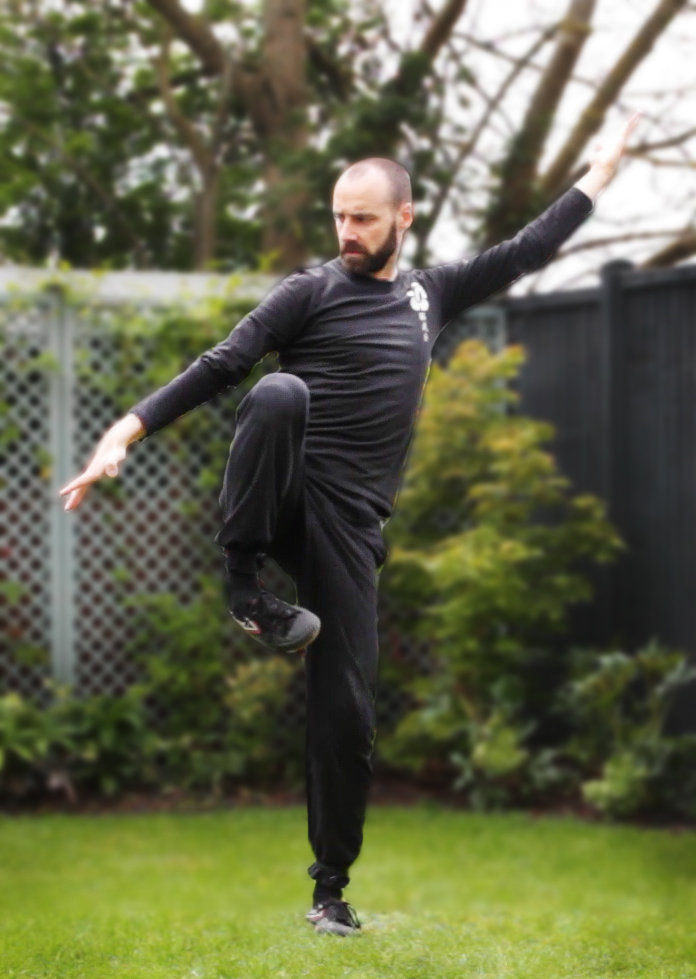
What is TAISŌ
It is a Japanese term that means physical exercise or calisthenics. It encompasses a set of dynamic warm-up exercises designed to activate the whole body, improve joint mobility, balance, and coordination. These exercises are often rhythmic and repetitive, combining movement with breath in a meditative, energising flow. They can include rolling, swinging, stretching, and spinal exercises meant to awaken both mind and body.
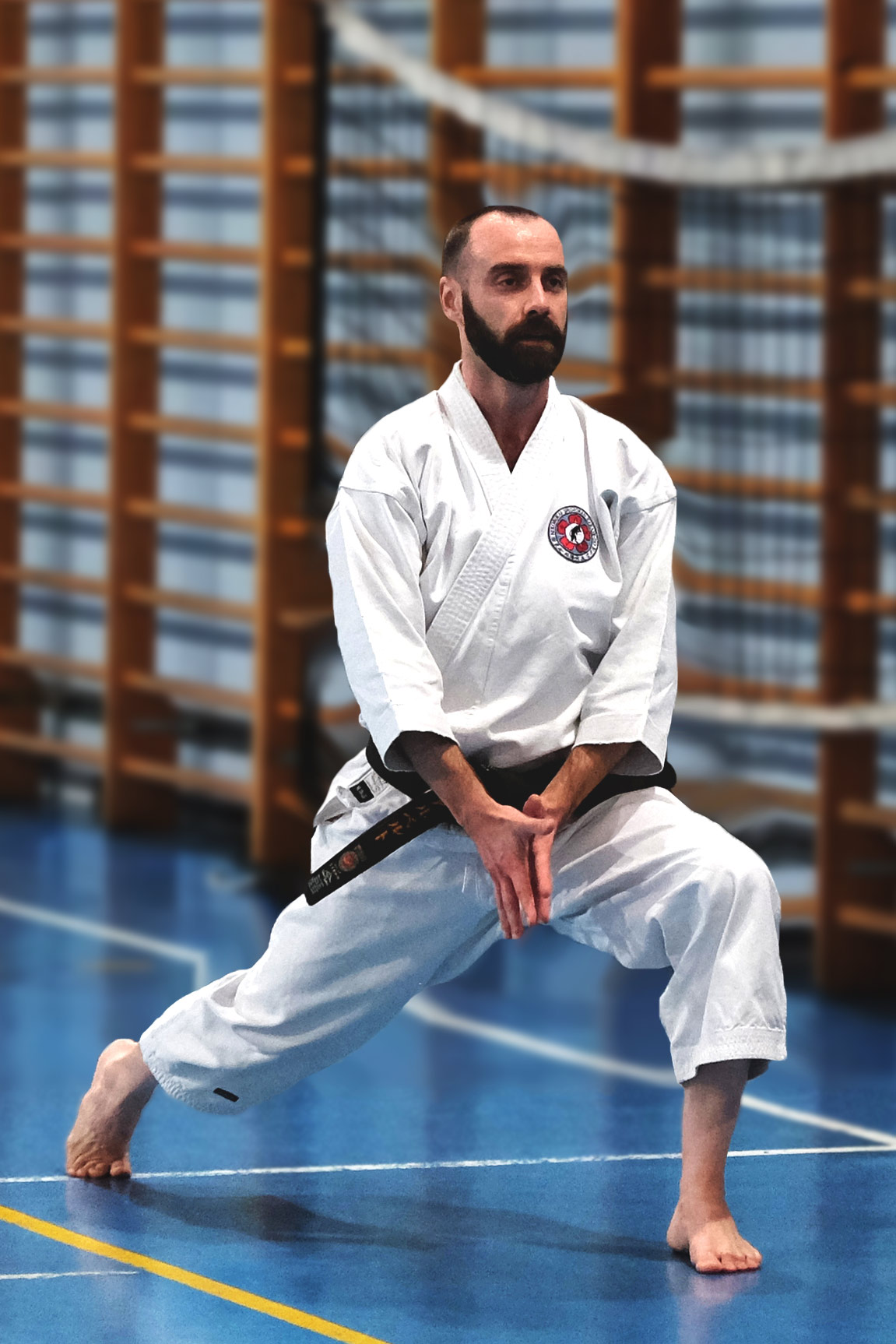
What is TAISŌ
It is a Japanese term that means physical exercise or calisthenics. It encompasses a set of dynamic warm-up exercises designed to activate the whole body, improve joint mobility, balance, and coordination. These exercises are often rhythmic and repetitive, combining movement with breath in a meditative, energising flow. They can include rolling, swinging, stretching, and spinal exercises meant to awaken both mind and body.
猫武会
discover more
Contact Us
CLASSES
KARATE
Tuesday 5:30pm – 7:00pm
Thursday 7:00pm – 8:30pm
TAISŌ
Tuesday | 7:30pm – 8:30pm
Thursday | 5:30pm – 6:30pm
Where we are
Garsington Village Hall
Wheatley Road, Garsington
OX44, Oxford
Horspath Hub
The Old Chapel, Horspath
OX33 1RP, Oxford